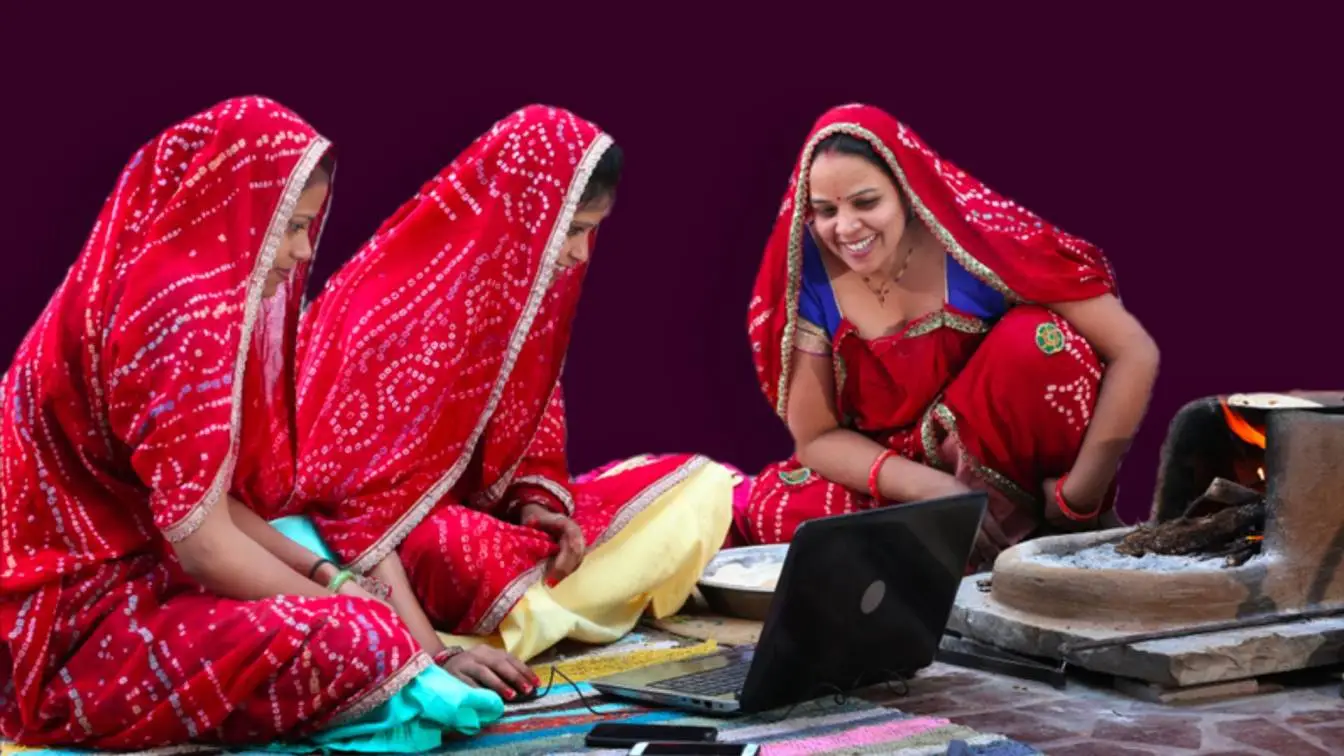
Starting a business is not easy. For women in India, the path has even more hurdles. Money is often the biggest problem. Many women do not have property to keep as security for a loan. Banks ask for guarantees that are hard to give. This stops many good ideas from becoming real businesses.
The government of India knows this problem well. Over the years, many schemes have been made just for women who want to start or grow their business. These schemes give loans without asking for property, lower interest rates, and extra help like training and market access. This article covers all the major government schemes for women entrepreneurs. It will help you pick the right one for your business.
Why Women Need Special Help for Business?
Women-owned businesses in India face some common problems. Access to credit is the main one. Many women do not own land or a house. Banks usually ask for these as guarantee for a loan. Without them, getting a loan is very hard. Many women also lack knowledge about how to apply for loans. The paperwork can feel too much.
Government schemes fix these problems in different ways. Some give loans without any guarantee. Others lower the interest rate so the loan is cheaper. Some give extra guarantee to the bank, so the bank is willing to lend. Many schemes also give training to build skills. This complete support helps women not just get money but also run the business well.
The numbers show that these schemes are working. Public sector banks gave loans to women worth over ₹11.69 lakh crore by March 2024 . This is a big jump from earlier years. More and more women are getting bank loans today. Government support has made this possible.
Read Also: Best Manufacturing Business For Women Entrepreneurs
Main Government Schemes for Women
Pradhan Mantri MUDRA Yojana
MUDRA is the most popular scheme for small businesses. It gives loans without any collateral, which means no property is needed as security . The loan comes in three parts based on the business stage.
Shishu is for new businesses. You can get up to ₹50,000 to start something small. Kishore is for businesses that are already running but need growth money. This gives loans from ₹50,000 to ₹5 lakh. Tarun is for bigger businesses that want to expand. This gives ₹5 lakh to ₹20 lakh .
You do not apply to MUDRA directly. You go to any bank or NBFC and ask for a loan under this scheme. The bank checks your plan and gives the loan. Many women have started small shops, tailoring units, beauty parlours, and food businesses with this loan.
Stand-Up India Scheme
This scheme is for women who belong to Scheduled Caste or Scheduled Tribe. It gives bigger loans from ₹10 lakh to ₹1 crore . The business must be a greenfield enterprise. This means you are starting a new business from scratch, not expanding an old one.
The business can be in manufacturing, services, or trading . You must hold at least 51% stake in the business. This means the business is truly owned by you. The loan can be paid back over 7 years. You get 18 months of moratorium, which means you do not have to start paying back immediately . This gives time to set up the business and start making money.
This scheme is great if you want to start a factory or a big service business. It is only for SC/ST women. Other women cannot apply for this one.
Udyogini Scheme
The Udyogini scheme is for women from economically weaker families. The Women Development Corporation runs it through public sector banks . The loan amount is up to ₹3 lakh. The interest rate is subsidised, which means it is lower than normal.
The age limit is 18 to 55 years. Your annual family income should be below ₹1.5 lakh. This varies by state, so check with your local bank . The business must fall in one of 88 approved categories. These include agarbatti making, tailoring, dairy, papad making, and other small or cottage industry work.
Widows and women with disabilities get even more benefits. The interest subsidy is higher for them. This scheme is very good for rural women who want to start a small business at home.
Credit Guarantee Scheme for Micro and Small Enterprises
This is not a loan scheme by itself. It is a guarantee given to banks. The Credit Guarantee Fund Trust for Micro and Small Enterprises gives a guarantee to the bank for your loan. This means if you fail to pay back, the trust will pay part of the loan to the bank .
Because of this, the bank is willing to give you a loan without any collateral. For women entrepreneurs, the guarantee coverage is higher. It covers up to 90% of the loan amount, while for others it is 75% . The guarantee fee also has a 10% concession for women .
The maximum loan amount under this is ₹500 lakh . This is a very big amount. It is useful for established MSMEs that need working capital. You do not apply to CGTMSE directly. You apply for a business loan and ask the bank if they will cover it under this scheme.
Mahila Udyam Nidhi Scheme
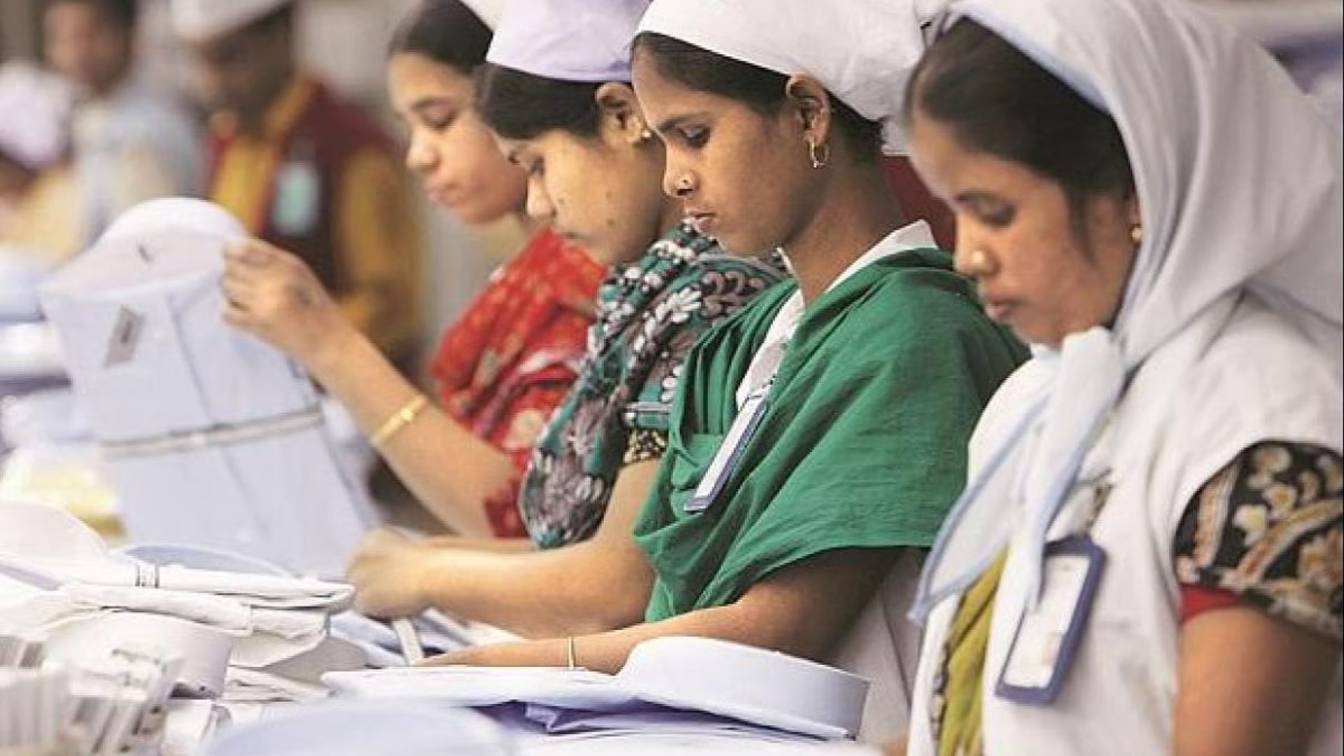
This scheme is for women setting up small industrial units. The Small Industries Development Bank of India handles it . It gives soft loans, which means loans at below-market interest rates. You can get up to ₹10 lakh. The repayment period is up to 10 years. There is a moratorium of up to 5 years before you start paying back .
The enterprise must be in the small-scale sector. The woman entrepreneur must hold the main stake in the business. The business should be new or in early expansion. This scheme is good if your business will take time to make money. The long moratorium period gives you room to invest and grow before you start repaying.
Other Important Initiatives
Many other schemes also help women entrepreneurs. The Prime Minister's Employment Generation Programme gives credit-linked subsidy for micro-enterprises. Women get higher subsidy of 35% while others get 25% . This means the government pays a bigger part of the project cost for women.
The Public Procurement Policy is also very helpful. It says that 3% of annual procurement by government companies must be from women-owned micro and small enterprises . This creates a guaranteed market for women-owned businesses.
The Women Entrepreneurship Platform run by NITI Aayog is a digital platform. It gives mentorship, business resources, and networking opportunities . It connects women with investors and mentors. This is very useful for women who want to grow their business.
There is also a new scheme announced in the Union Budget 2025-26. It will give term loans up to ₹2 crore to 5 lakh women first-time entrepreneurs over 5 years . The scheme will use lessons from Stand-Up India. Online training in entrepreneurship and managerial skills will also be given. This is a big step forward.
You May Also Like: Rural Women Entrepreneurship Ideas
Quick Guide: Which Scheme Fits Your Business
If you are starting a micro business and have no collateral, MUDRA Shishu or Kishore is right for you. The loan is up to ₹5 lakh and no property is needed.
If you are SC/ST and starting a greenfield manufacturing or service unit, Stand-Up India is for you. The loan is ₹10 lakh to ₹1 crore.
If you come from a low income family and want to start a cottage or micro business, Udyogini is the best choice. The loan is up to ₹3 lakh at subsidised rates.
If you have an existing MSME and need collateral-free working capital, ask for a loan covered under CGTMSE. The loan can be up to ₹500 lakh.
If you are setting up a small industrial unit and need low-interest capital with a long moratorium, Mahila Udyam Nidhi is for you. The loan is up to ₹10 lakh.
How to Apply: Step by Step
The application process is different for each scheme. For MUDRA, you approach a bank or NBFC directly. You tell them you want a loan under PMMY. They will ask for your documents and business plan. They will check your eligibility.
For Stand-Up India, you can register your interest on standupmitra.in. Then you approach a bank branch with your documents and business plan. The bank will process your loan.
For Udyogini, you go to a public sector bank or the Women Development Corporation office in your state. Availability varies by state. Check with your local branch first.
For CGTMSE-backed loans, you apply for a business loan from an eligible lender. You ask whether they offer loans covered under CGTMSE. The lender applies for the guarantee on your behalf. You do not go to CGTMSE yourself.
For Mahila Udyam Nidhi, you apply through PNB branches or SIDBI regional offices. Carry your business plan, identity documents, and registration certificates.
Documents You Will Need
Most schemes ask for similar documents. You need identity proof like Aadhaar card, PAN card, or voter ID. You need address proof like Aadhaar or utility bill. You need proof of business ownership or registration. This is where Udyam Registration is important. Get your Udyam Registration done before approaching any lender. It is free at udyamregistration.gov.in . It establishes your MSME status and is required for many schemes.
You also need proof of business category for schemes like Udyogini. Your business must fall in the approved list. You need income proof like bank statements for 6 to 12 months or ITR if filed. Passport-size photographs are also needed. For Stand-Up India, SC/ST applicants need a caste certificate.
Government Support Beyond Loans
Money is not the only help available. The government also runs many training programmes. Pradhan Mantri Kaushal Vikas Yojana gives skill training to women. Mahila Coir Yojana trains women artisans in the coir sector . Skill Upgradation and Mahila Coir Yojana is an exclusive training programme for women in coir .
Many women do not know about these schemes. The government runs awareness campaigns. 'Yashasvini' is one such campaign. It tells women about the schemes of the Ministry of MSME. It provides mentorship and capacity building .
There is also the Swavalambini programme launched in partnership with NITI Aayog's Women Entrepreneurship Platform. It aims to develop an entrepreneurial mindset among female students. It gives Entrepreneurship Awareness Training and Entrepreneurship Development Programme. It also gives awards to successful women entrepreneurs from the programme .
The Companies Act, 2013 has an enabling provision. It says companies must have at least one woman Director . This creates more leadership opportunities for women. The Indian Patent Act gives expedited examination when at least one applicant is female. Women also pay reduced fees for patent filings . Patent filings by women have increased over 905% in the past 5 years.
Conclusion
Government schemes for women entrepreneurs have changed the business landscape in India. More than 73,000 start-ups supported under Start-up India have at least one-woman director . This is nearly half of all supported start-ups. Women lead about one-third of the start-ups incubated under Atal Innovation Mission's Atal Incubation Centres .
These numbers show that women are stepping up. They are starting businesses, creating jobs, and driving growth. The schemes have removed many barriers. No collateral is needed for many loans. Interest rates are lower. Guarantee coverage is higher. Training and mentorship are available.
The journey is still not complete. Many women still do not know about these schemes. The paperwork can still be confusing. But the direction is clear. The government is continuously adding new schemes and improving old ones. The new scheme for 5 lakh first-time women entrepreneurs is a big step.
If you are a woman with a business idea, do not let lack of money stop you. Look at these schemes. Find the one that fits your business. Gather your documents. Approach the bank. The support is there. You just need to take the first step.
Frequently Asked Questions
What is the easiest scheme to get a loan without collateral?
MUDRA is the easiest. You do not need any property as guarantee. The loan is from ₹50,000 to ₹20 lakh. Just go to a bank and ask for a loan under PMMY.
Can I apply for more than one scheme?
Yes, you can. Different schemes serve different needs. You can use MUDRA for working capital and Stand-Up India for starting a new unit. But make sure you can handle the repayment of all loans.
How long does it take to get the loan?
It depends on the scheme and the bank. MUDRA loans are usually processed fast. Stand-Up India and Mahila Udyam Nidhi may take longer because the amounts are bigger. Keep all your documents ready to speed up the process.
Is there any subsidy for women entrepreneurs?
Yes. Under PMEGP, women get 35% subsidy while others get 25%. Under Udyogini, the interest rate is subsidised. Under CGTMSE, the guarantee fee has a 10% concession for women.