How AI Improves Medical Diagnosis India? Think of a doctor quickly spotting a problem in a scan, helping a patient just in time. In India, with full hospitals and far-off villages, new ways are making checks faster and surer. Early finds on TB or sugar issues help millions. From small health posts to city centers, doctors and tools team up for real change. Waits shorten, lives improve. Let's see how this happens in daily care across the country.
Early Detection of Deadly Diseases
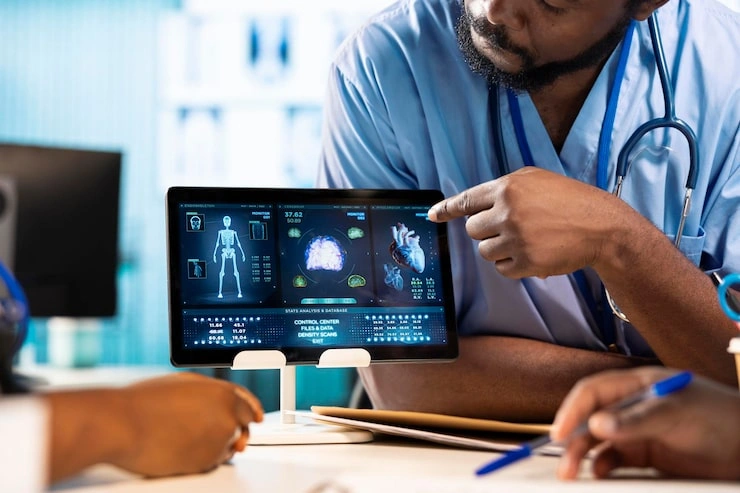
Finding diseases soon makes all the difference. TB hits millions here, often late. Doctors check chest X-rays, but crowds slow things. Image reviewers now scan fast, noting odd lung spots. In government spots, lines are long. Reviewers mark risky scans first. Nurses alert doctors. Real checks show 20% more early TB spots. Treatment starts quick, skips big stays. Villages win big. Mobile X-ray vans roll in. Workers send images; flags come back fast. Chest pain in a farmer? ECG checks rhythms, calls help.
- Sugar tests predict kidney woes. Doctors follow nudges. One area cut issues 15%. Families get ahead of trouble.
- Moms get kid scans reviewed overnight. No trips. Local teams mix know-how with speedy helps.
- Daily fevers get sorted. Patterns from past cases guide. Health posts handle more, send less away.
- Key Takeaway: Quick reviews give doctors power to catch dangers early in busy or far places.
Read Also: AI Automation for Business Tasks for Smart Businesses
Smarter Imaging for Quick Results
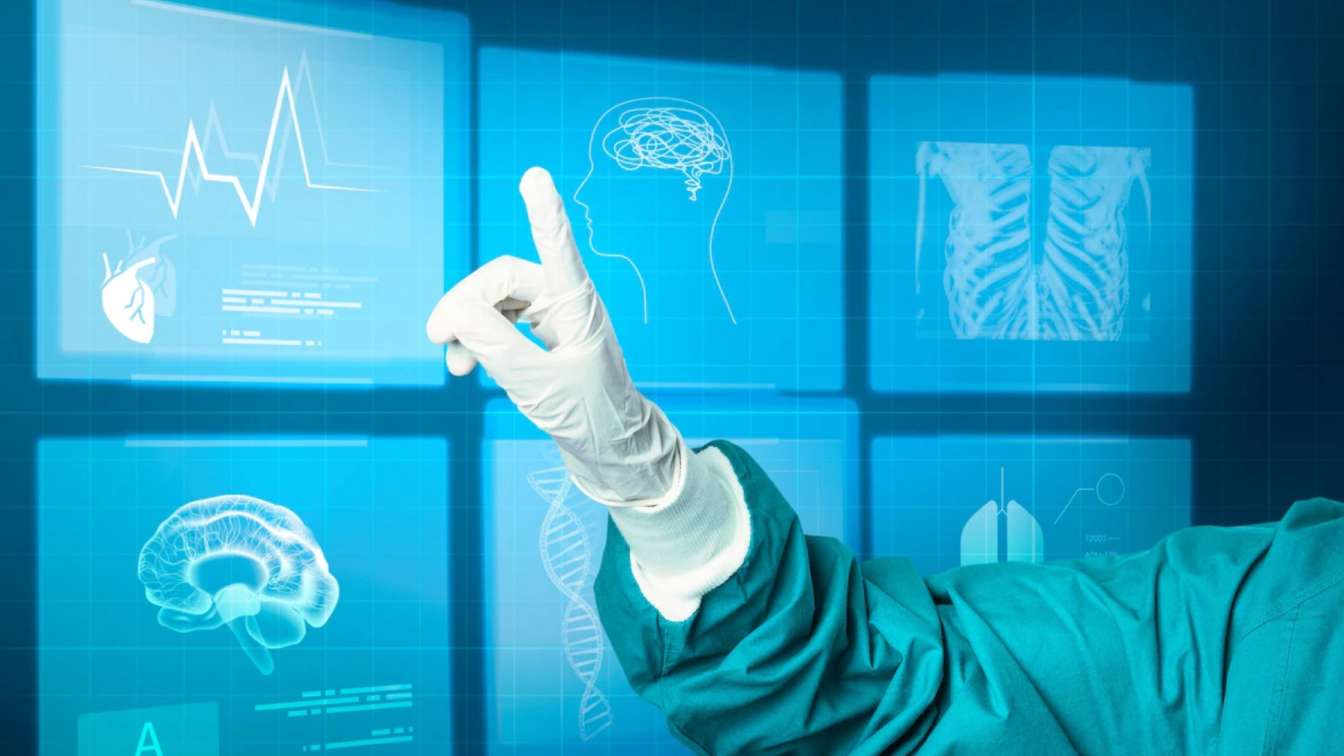
Scans like CTs and MRIs reveal much, but sorting tires experts. Outliners now mark tumors or cracks sharp. Like a guide, saves time.
- Hospitals buzz—50 scans a day per person. System sorts bleeds red. Surgeons move fast. Strokes need speed; this delivers.
- Eye camps use retina shots. 500 villagers in a week, 15% sent for fixes. No expert wait.
- Old machines' fuzzy pics clear up. Adjusts for local builds. Matches big image sets. Trust grows.
- Stroke rooms routine it. Clot sizes measured, options listed. Teams choose.
- Fractures pop clear. Rural labs link cities smooth.
| Imaging Type | Traditional Time | New Time | Accuracy Boost | Common Use in India |
|---|---|---|---|---|
| Chest X-ray (TB) | 10-15 min/scan | 30 sec/scan | +20% early | Hospitals, vans |
| Retina (Eyes) | 5 min/patient | 10 sec | +15% spot | Camps, clinics |
| CT Head (Stroke) | 20 min/review | 2 min | +25% flag | ERs, districts |
| ECG (Heart) | 5 min/trace | 15 sec | +18% rhythm | PHCs, privates |
Key Takeaway: Scan helps speed and clear details for doctor focus.
Personalizing Treatment Plans
Patients differ—food, work, genes vary. Doctors use data for custom paths. Age, labs, history in; fit advice out, like shifts for laborers. Hearts: Scans show blocks; risks predicted, stents or changes picked. Smoker gets fix; diabetic youth diets first.
- Cancer: Profiles match drugs. Less side hits.
- Phone apps easy. Prick test vitals; monsoon meal tweaks. Local fits.
- Wearables watch BP. Alerts for changes. Visits drop, cash saved.
- One clinic: 30% better control. Human-led, life-fit.
- Follow-ups adjust. Trust builds as it works.
- Key Takeaway: Data-custom plans suit India's mix.
Bridging Gaps in Rural Healthcare
- Most live rural, few experts. Tele-links villages to pros. Symptoms described; basics sorted, tough to docs.
- Phone ultrasounds for workers. Pregnancies, stones checked. Hills: 80% local.
- Scans to cities overnight. Rash pics matched; cream same day.
- No net? Store, sync. ASHAs trained quick.
- Outbreaks predicted from symptoms. Aid rushes.
Farmers treat home post-alert.
-
Store offline.
-
Train easy.
-
Link networks.
Key Takeaway: Rural links bring checks near, boost locals.
Cutting Costs and Saving Resources
- Checks cost much. Site testers do blood cheap—sugar, markers quick.
- Hospitals predict fixes, no down. Schedules peak-fit.
- Apps pick generics, half price. Wearables cut trips—₹500 saved monthly.
- PHCs screen wide, curb outbreaks cheap.
- Halved delays, beds free. Care for all.
- Key Takeaway: Cuts put checks in reach.
Training Doctors and Building Trust
- Simulations teach—virtual pneumonia patients. Practice safe.
- Workshops debate cases. Eyes sharpen.
- Clear notes: "Borders match past." Verify easy.
- Diverse sets, privacy tight.
- Stories spread: errors caught, lives saved. Team strong.
- Key Takeaway: Training, clarity build faith.
Real-World Success Stories
- Mines TB: 10,000, 30% early. Workers well.
- Eyes: 20% elders fixed.
- Breast: 25% early, survival up.
- Outbreak: 15% faster end.
- Everywhere now.
- Key Takeaway: Stories show change.
You May Also Like: Growth Strategies for Early-Stage Tech Startups
Challenges and Path Forward
- Data messy—clean it. Power short? Solar.
- Demos convince. Train rules.
- Genomics, 5G next.
- Fits local.
- Key Takeaway: Fixes spread wide.
FAQs
What tools help doctors spot TB early?
Chest X-ray reviewers that quickly mark odd lung spots. In busy hospitals, nurses flag them for doctors, catching 20% more cases so treatment begins fast. Exploring the How AI Improves Medical Diagnosis India.
How do health workers in villages check pregnancies?
They use phone-plugged ultrasound wands to scan and get instant reads on baby heartbeats or issues. Works offline—store results and sync later, fixing 80% locally.
What makes scan reviews faster in ERs?
Outliners that highlight bleeds or clots right away, sorting urgent cases red. Doctors review in minutes instead of hours, speeding stroke care.
How do custom plans work for heart patients?
Doctors input age, labs, and habits; get risk predictions and options like stents or diet tweaks. Fits daily life, like for smokers or farmers with odd shifts.